
COMPOSITE COATING SYSTEMS · VIETNAM MANUFACTURING
Water-Based Composite Coating Systems for Products Manufactured in Vietnam
Surface evaluation · Primer selection · Finish development · Factory trial
Lotus develops water-based coating systems for resin-based composite products, from substrate evaluation and primer selection through finish development, factory trials and production implementation.
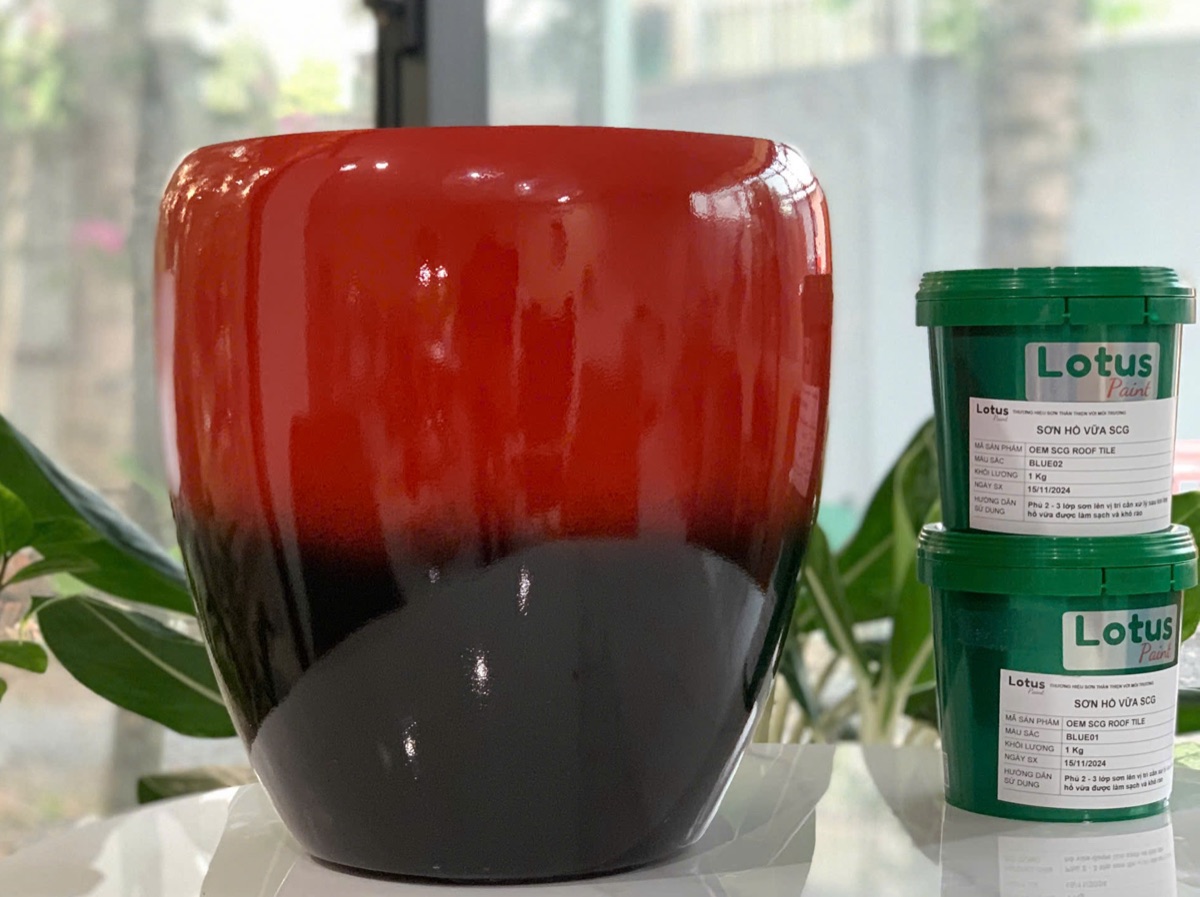
Lotus primarily works with resin-based composite products. Substrate suitability and system structure are confirmed for each project before specification or production use.
01 / 13Application Scope
Composite Products We Work With
The appropriate coating system depends on the composite substrate, surface condition, finish requirement and production process.
Composite chairs
Composite planters
Composite doors
Outdoor composite products
Other composite products subject to substrate evaluation
02 / 13The Composite Challenge
Why Composite Coating Requires a System Approach
Composite products may arrive with pinholes, uneven surfaces or other surface imperfections. A visually consistent finish therefore depends not only on the topcoat, but also on substrate condition, surface preparation, primer selection, coating build, application method, drying or curing conditions, and the final finish requirement.
Substrate condition
Surface preparation
Primer selection
Coating build
Application method
Drying or curing conditions
Final finish requirements
A composite coating system should be selected based on the actual substrate and production conditions, rather than treating the topcoat as a standalone product.
03 / 13Surface Preparation
Substrate Evaluation and Primer Selection
Composite coating work typically begins with cleaning, primer selection and primer application. The primer direction is evaluated against the actual surface condition rather than applied as a universal rule.
Relatively prepared composite surfaces
A 1K primer may be considered when the composite substrate is already relatively well prepared and the project requirements allow.
Surfaces with pinholes or imperfections
A 2K primer may be selected where additional surface build and correction are required for the finish target.
Depending on the substrate condition and system requirement, two primer coats may typically be used. Final primer selection should be confirmed against the actual substrate, surface condition and coating system requirements.
04 / 13System Options
Composite Coating System Options
Composite coating systems are specified as coordinated structures, not as a product catalogue. The appropriate combination depends on substrate condition, appearance requirements, application requirements, performance requirements and production conditions.
1K primer systems
For appropriate composite surfaces where the substrate condition and project requirements allow this structure.
2K primer systems
For more demanding surface conditions, including substrates with significant pinholes or imperfections.
2K primer + 1K topcoat
For applications where this combination meets the required finish and production conditions.
2K primer + 1K clear coat
For projects requiring a specific colour or finish direction with a clear protective layer.
2K systems
For projects requiring a higher-performance coating structure, subject to technical evaluation.
Some Lotus 2K systems may use different hardener ratios such as 15%, 20% or 25%, depending on the specific product, system and project requirement. These are not universal mixing rules; the relevant technical documentation or technical discussion defines the correct ratio.
05 / 13Finish & Colour Development
Colour and Finish Development
Lotus can work from a customer reference and develop the required colour or appearance before the proposed system is evaluated under factory conditions.
The approved sample on the actual composite substrate becomes the practical reference for production review.
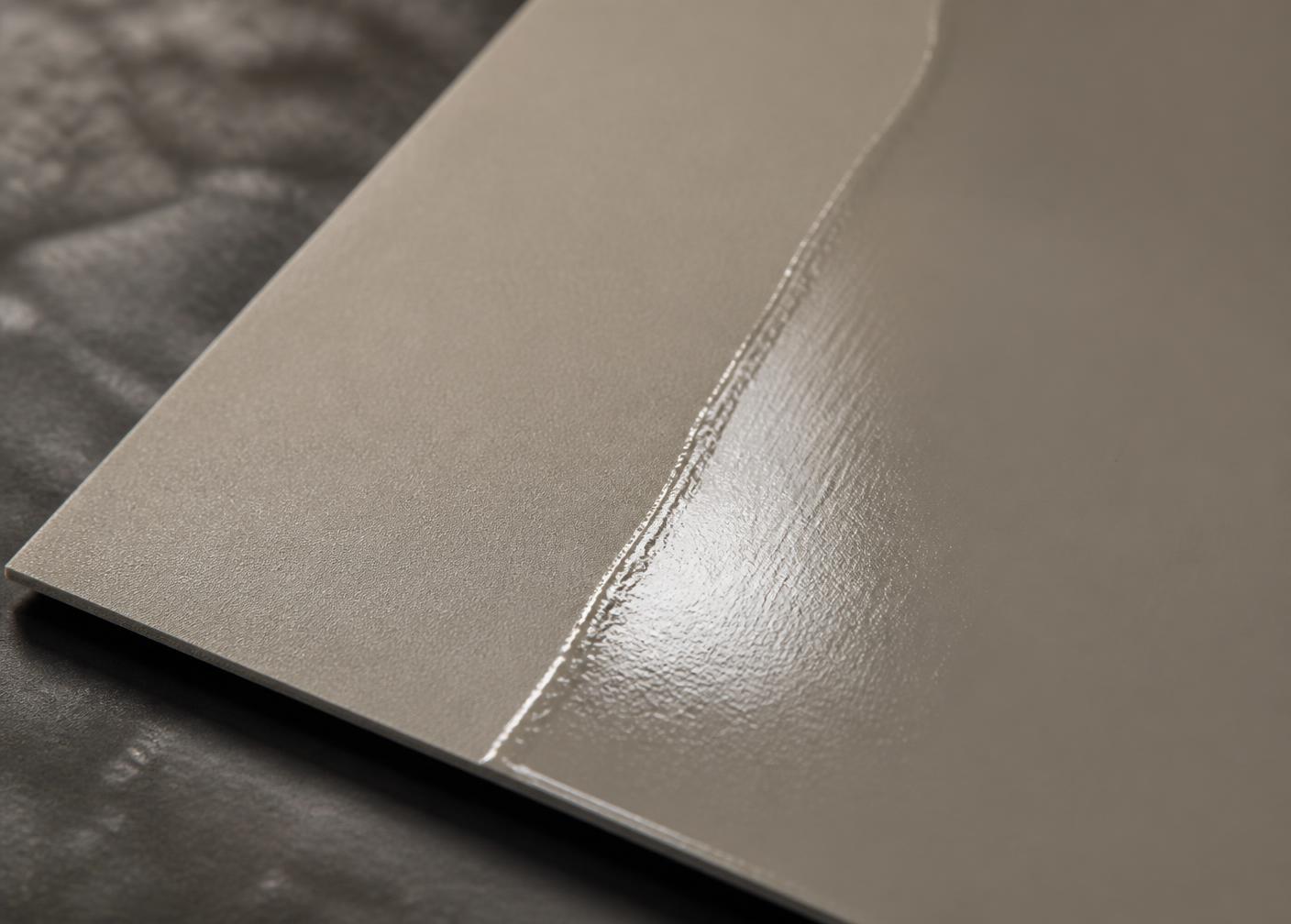
Development workflow
Customer reference → Sample development → Colour adjustment → Approval → Factory trial
Solid colour · Matte · Gloss · Wood-look
06 / 13Outdoor Requirements
Performance Requirements for Outdoor Composite Products
Outdoor composite products may require a different coating system from indoor applications. Requirements can place greater emphasis on surface hardness, surface durability, temperature variation and protective topcoat selection.
Surface hardness
Surface durability
Temperature variation
Protective topcoat selection
In current composite applications, practical hardness may be around 2.5–3H, while some projects require approximately 4H. When a higher hardness specification is required, the coating system may need to be evaluated and optimized against the actual application conditions.
Lotus evaluates the coating system against the required hardness specification and can support development when the standard system does not meet the project requirement.
07 / 13Application Optimization
Application Optimization
Surface leveling can be an important application issue in composite coating. Orange peel may occur when the coating does not level sufficiently, making spray setup, application technique, coating condition and production environment important variables during factory trials.
Surface preparation
Coating preparation
Spray-gun setup
Number of coats
Application timing
Troubleshooting and defect correction
08 / 13Factory Trial
From Sample to Factory Trial
A coating system that looks correct on a laboratory panel still needs to be evaluated under the actual application process and production conditions.
- 01
Understand the product and substrate
Review the composite product, application context and available substrate information.
- 02
Review surface condition
Identify pinholes, uneven surfaces, imperfections and preparation requirements.
- 03
Select the initial coating system
Define the primer and finish direction around substrate condition, appearance and use requirements.
- 04
Develop the colour or finish sample
Prepare a sample based on the customer reference and adjust the finish where required.
- 05
Customer approval
Review the sample result and confirm the direction before factory evaluation.
- 06
Factory trial
Test the proposed system under the manufacturer's actual equipment, process and production conditions.
- 07
Optimize the application process
Adjust preparation, spray setup, coat sequence or timing when the trial reveals a required change.
- 08
Confirm production direction
Align the approved sample, coating system and application scope before production implementation.
09 / 13Anonymized project example
Composite Outdoor Furniture: Developing a System for High Temperature Variation
This project example illustrates how a coating system may need to be selected and adjusted around the product, application environment and required appearance.
- Product
- Composite tables and chairs
- Manufacturing
- Vietnam
- Requirement
- Outdoor furniture intended for an environment with significant day/night temperature variation.
- Challenge
- The project required a coating system suitable for demanding outdoor conditions and the required appearance.
- Lotus approach
- A 2K system was selected and optimized according to the project requirement, including adjustment of the hardener ratio.
- Result
- The white furniture maintained the required appearance without the yellowing issue encountered during development.
This is a project-specific example. It does not represent a universal performance claim for every composite product, colour or outdoor environment.
10 / 13Technical Documentation
Technical Documentation
Technical documentation is available by technical request according to the confirmed coating system, substrate, application scope and project requirements.
DOC · TDS
TDS
Technical Data Sheets — Technical information for the confirmed coating system and application scope.
Available by technical request
DOC · SDS
SDS
Safety Data Sheets — Safety and handling information for the relevant products.
Available by technical request
DOC · GUIDE
GUIDE
Application Guidance — Surface preparation, primer selection, application process and factory trial considerations.
Available by technical request
DOC · DATA
DATA
Test & Reference Data — Relevant technical or reference information associated with the confirmed system and evaluation scope.
Available by technical request
11 / 13Why Lotus
Why Composite Manufacturers Work With Lotus
Lotus Paint is a water-based coatings brand by Bich Trang Production Trading Service Co., Ltd., supporting coating-system development, sampling and factory implementation for products manufactured in Vietnam.
Water-based coating experience
Lotus has more than 10 years of experience developing water-based coating systems.
System-level development
Lotus considers substrate, primer, finish, application and production conditions together.
Colour and surface development
Lotus can work from customer references and develop the required colour and appearance.
Vietnam factory coordination
Technical support can continue from sample development into factory trial and production implementation.
Requirement-based development
Lotus is willing to test and develop new coating requirements rather than forcing every project into a standard solution.
12 / 13Who This Is For
Who This Solution Is For
US/EU brands sourcing from Vietnam
For brands defining composite product requirements before manufacturing or supplier coordination.
Product development teams
For teams reviewing colour, surface appearance, sample development and application feasibility.
Quality / QA teams
For teams evaluating the coating system against project-specific performance and production requirements.
Procurement & specification teams
For teams that need a defined coating-system direction before approving production use.
Vietnamese composite manufacturers
For factories implementing the proposed coating system under actual manufacturing conditions.
OEM/ODM factories
For manufacturers coordinating buyer requirements, sampling and production deployment in Vietnam.
Outdoor furniture manufacturers
For composite products where outdoor use, surface durability and temperature variation require technical review.
Related system
Wood Coating Systems
For solid wood, MDF, veneer, wood components and furniture requiring a defined coating system.
Explore Wood Coating SystemsRelated system
Wood-Look Coating Systems
For steel, metal, concrete and cement-based products requiring a wood-grain or wood-look finish.
Explore Wood-Look Systems13 / 13Questions
Composite Coating Specification Questions
Lotus works with composite tables, chairs, planters, doors and outdoor composite products. Other composite products can be reviewed subject to substrate evaluation.
Primer selection starts with cleaning and substrate review. A 1K primer may be considered for relatively prepared surfaces, while a 2K primer may be selected where pinholes or surface imperfections require additional build or correction.
A surface with significant pinholes or imperfections may require a different primer and build approach than a relatively prepared surface. Lotus evaluates the actual substrate and finish requirement before confirming the system.
Yes. The workflow can move from customer reference to sample development, colour adjustment, approval and factory trial.
Lotus has experience developing solid colour, matte, gloss and wood-look finishes for composite applications. The appropriate system depends on the substrate and production conditions.
They can be. Outdoor products may place greater emphasis on hardness, surface durability, temperature variation and protective topcoat selection.
Current composite applications may practically reach around 2.5–3H, while some projects require approximately 4H. When a higher specification is required, Lotus can evaluate and develop the coating system against the actual application conditions.
Yes. Lotus can support surface preparation, coating preparation, spray-gun setup, number of coats, application timing, troubleshooting and defect correction within the agreed trial scope.
Provide the product type, composite or substrate information, indoor or outdoor application, target colour or finish, hardness requirement if applicable, application method if known, production location, current coating system if relevant, and technical documentation requirements.
Technical Inquiry
Specify a Composite Coating System
Send the product and substrate information, indoor or outdoor application, finish target, production context and technical documentation requirements. Lotus can review the requirement and define the next step for sampling or factory trial.
- Product type
- Composite or substrate information
- Indoor or outdoor application
- Target colour or finish
- Hardness requirement if applicable
- Application method if known
- Production location in Vietnam
- Current coating system if relevant
- Technical documentation requirements